Brysonrox Studio: Manifesto
I. The Premise: The Architecture of the Edit
For generations under the shadow of colonialism, our ancestors survived by mastering the art of the edit. They learned to quiet the rhythm, mute the volume, and shrink the body to avoid being "too Puerto Rican." We grew up under the protective anxiety of their warnings: “Que no se te note la mancha” and “Se te sale la mancha ’e plátano.” This was the trauma of colonialism masquerading as etiquette an urgent plea to sit still, blend in, and survive the violence of erasure. To comply was to survive.
I reject the edit, the toning down of our essence. My work is a psychological and cultural experiment on identity, shame, memory, and inheritance. I take a colloquial phrase that for ceremonies carried a heavy weight of fear and caution, and I mutate it into a badge of absolute honor and revolutionary pride.
What they sought to wash away, I make permanent. What they forced into stillness, I set in motion.
II. The Dualities of the Diaspora: Rooted yet Displaced
This body of work reflects the emotional and psychological dualities of navigating existence between Puerto Rico and the United States. It captures the friction of living between two worlds: feeling both expansive and diminished, profoundly rooted yet perpetually displaced. It speaks directly to the experience of restraint—of being shaped, controlled, or simplified by dominant cultures—while desperately holding onto the internal complexity of adulthood, history, and self-awareness.
We do not just inhabit space; we seize it. Not always with words, and not always with language, but with our manchas. Our very existence is a loud, disruptive architecture that refuses to comply with the quiet decorum of colonial frameworks.
III. The Symbol of the Mask: Survival and Constraint
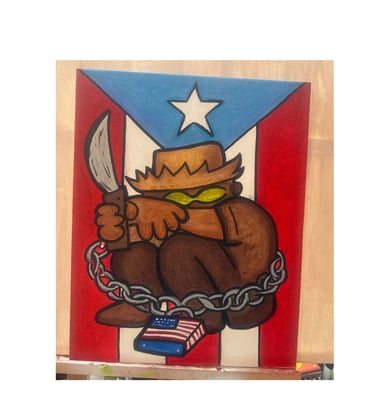
Masks function as a central symbol within this body of work, representing both survival and constraint. They embody the roles imposed upon us by cultural expectation, colonial history, and social adaptation, as well as the identities we consciously perform to navigate a world that demands our compliance.
The mask points directly to the painful tension between visibility and erasure—what is safely shown versus what must be hidden. They represent the strength we are expected to carry, and the subtle, insidious ways in which we are silenced, erased, or asked to disappear. The mask is both protection and imposition: the identities we choose to wear, and the ones forced upon us to survive.
IV. The Material and Metaphor: The Three Pillars
The Boricua psyche is not monolithic; it is a complex, multi-layered landscape rendered across three distinct stains, characters, and visceral emotions:
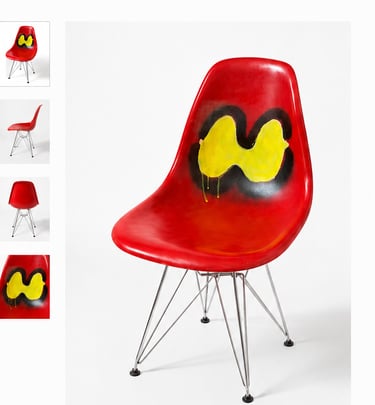
Plátano (The Root / Resistance): The indelible stamp of our origin. It represents the raw, physical presence and the instinctual refusal to be tamed, even when forced into the tightest constraints like a rigid, domestic chair.
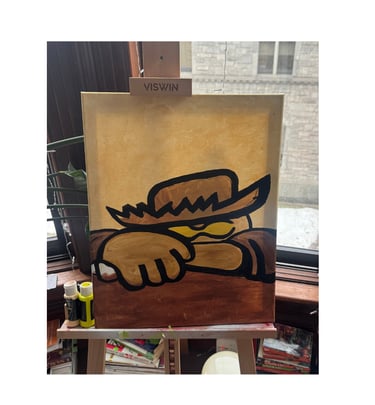
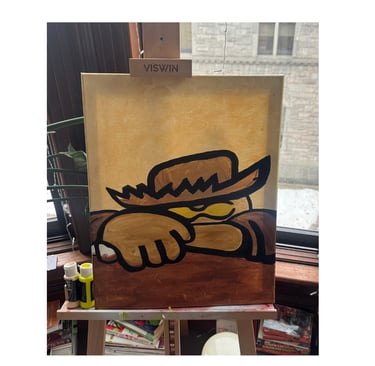
Café (The Ground / Memory): Exploring the duality of Puerto Rican identity both collective and personal through the ongoing series La Mancha de Café. Using physical Puerto Rican coffee as a literal art medium, I create stains that act as both material and metaphor: traces of history, memory, and inheritance that cannot be erased. The coffee stain becomes a symbol of legacy of what remains, even after displacement, migration, and cultural negotiation. It is the mark of colonialism, but also the persistence of a people whose identity continues to seep through imposed structures.
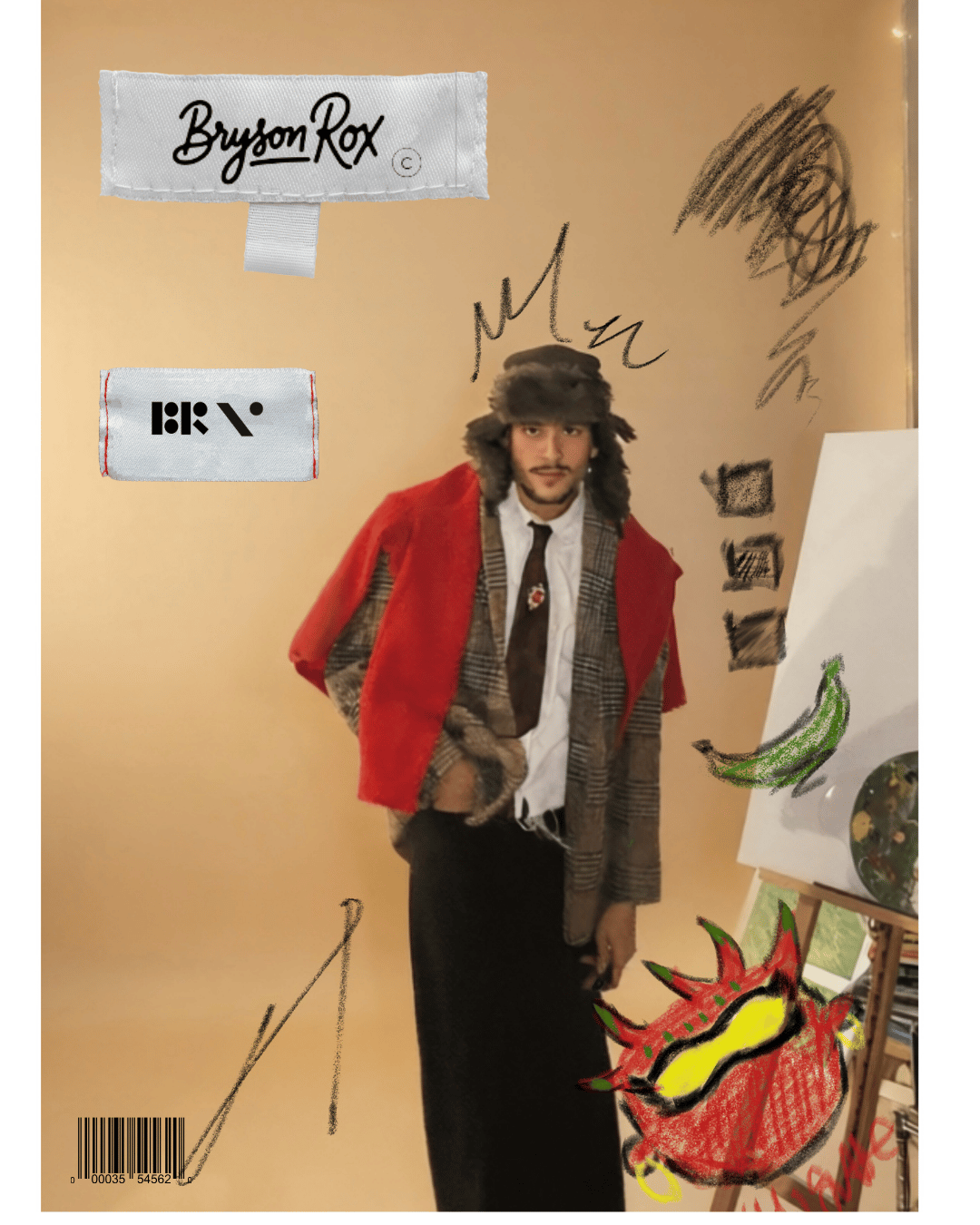
Sangre (The Pulse / Defiance): The visceral stain of survival. It is the wild, unapologetic, and fierce energy embodied by the kinetic chaos of the Vejigante that transforms historical grief into an explosive celebration of life.
V. The Visual Language: Distortion and Reinterpretation
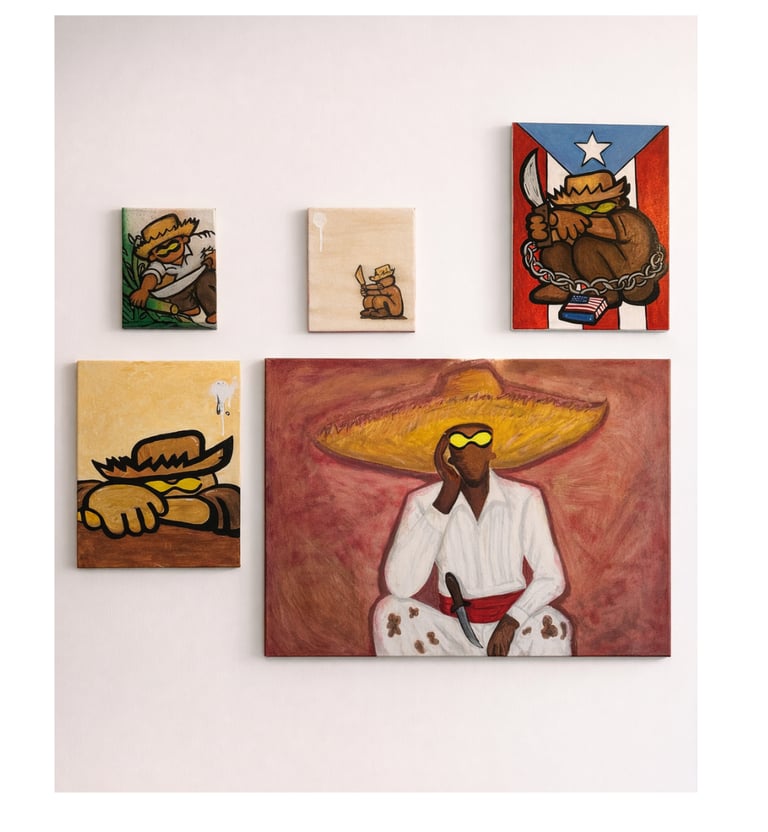
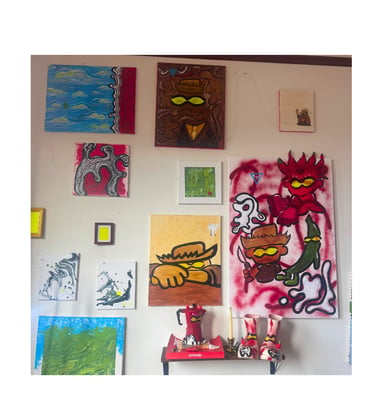
To manifest these psychological tensions, I employ a visual language that oscillates between bold, cartoon like forms and raw, abstract, formal compositions. Through this deliberate aesthetic clash, I explore the tension between visibility and distortion, tradition and modern reinterpretation.
I utilize familiar domestic objects, traditional characters, and rigid frameworks as surrogates for forced compliance. And then, I stage a coup. By fracturing clean lines with heavy, sculptural impasto, aggressive textures, and an uncompromising, visceral red, I bridge historical legacy with contemporary luxury and raw emotion.
VI. The Directive: The Quiet Rebellion
Yet beneath all these layers, behind the mask, and underneath the imposed structures the stain persists. It bleeds through. It resists containment. It insists on being seen, on being heard. It shines through, even in the deepest darkness.
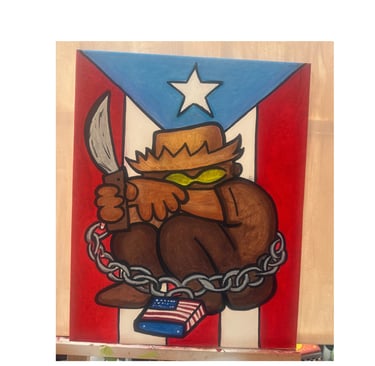
The mancha is a quiet rebellion, a living trace of identity that refuses erasure. It is irrefutable evidence of presence, of history, and of a voice that cannot be fully muted. I create to keep their impact alive. I create to remind the world that even when they criminalized our flag and threatened our lives, our love for our country was always bigger than their fear.
Once in apprehension, now in radical celebration. Esta es nuestra mancha. Y no se quita.
Coffee as a Medium:
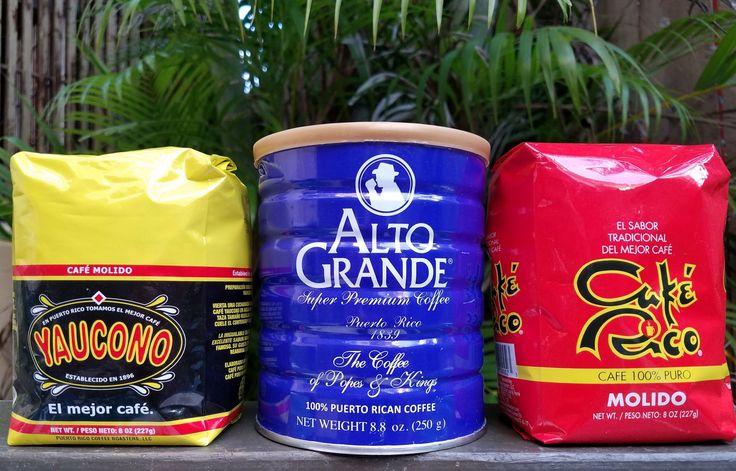
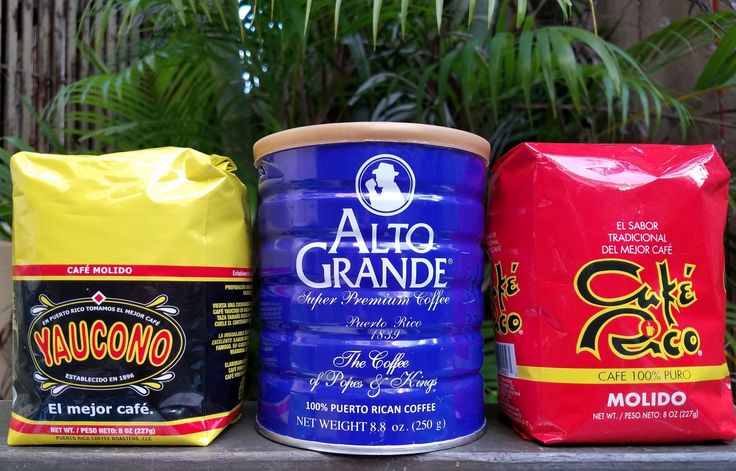
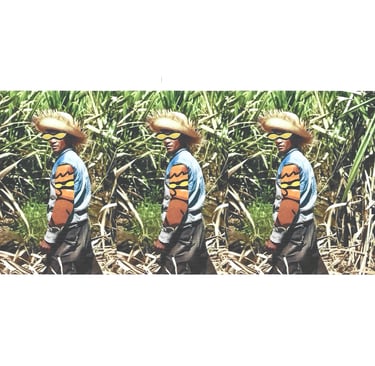
Puerto Rican identity and coffee are inextricably linked, both metaphorically and literally. For centuries, our people have labored in the coffee fields, nurturing a crop of such unparalleled quality that it once produced the exact coffee the Pope strictly demanded to drink. Like the history of Puerto Rico itself, coffee is defined by its deep flavor, complex nuances, and intricate layers it can be incredibly rough, and at times, intensely dark.
By using physical Puerto Rican coffee to stain the canvas, I am doing more than leaving a literal trace of memory, labor, and history embedded within the fibers. The process functions as a mindful vehicle, transforming the act of creation into a deeply spiritual ritual between myself and the canvas. Every wash of coffee connects me directly to the efforts, battles, and endurance of those who came before me, serving as a visceral, grounding reminder of how profoundly honored I am to stand precisely where I am today.
Image of Puerto Rican coffee used to stain and prep the canvas, Embodies heritage, warmth, and memory.
→


Gallery
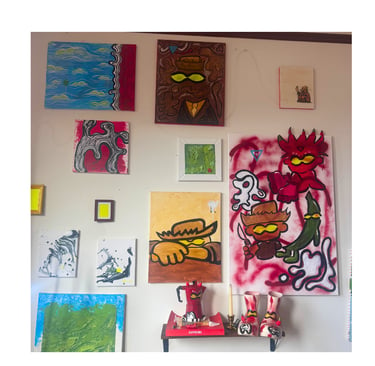
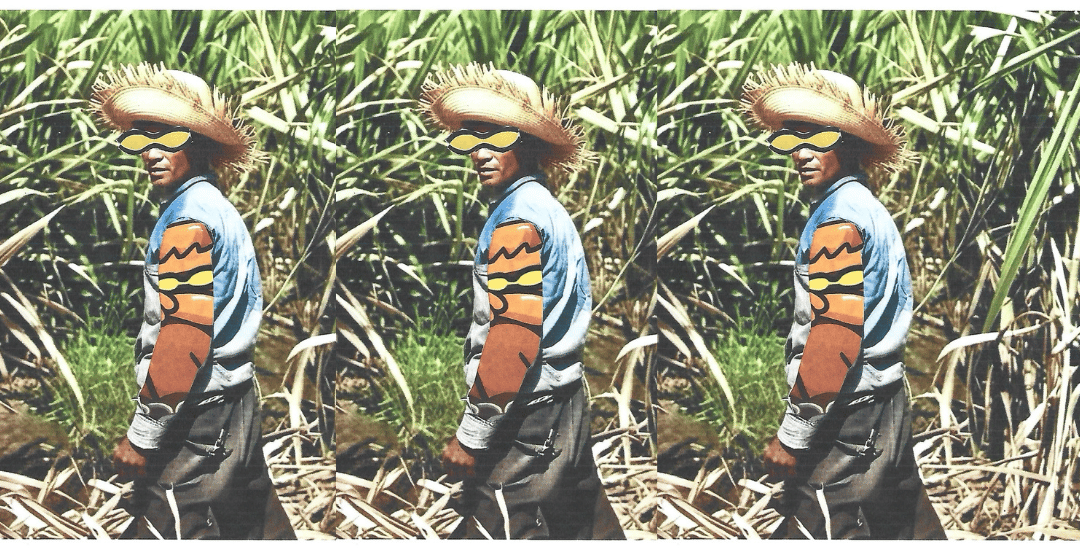
Visual fragments from the evolving lemancha collection